Here is something many of us may not be aware of: the coronavirus is an “enveloped” virus.
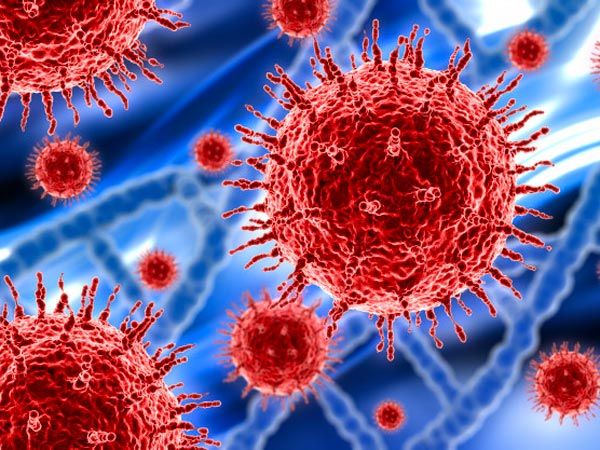
Here is something many of us may not be aware of: the coronavirus is an “enveloped” virus. We’ll go into more detail later, but first, we need to know there are two different kinds of viruses, one is enveloped and the other, you guessed it, is non-enveloped.
Probably the best way to explain what this means and why we should be aware of it is through a question-and-answer format. So, let us begin:
First, what is a virus?
This is a complicated question for which dozens of pages can be written. However, for our purposes here, a virus is a microscopic organism capable of causing infections. They are tens to hundreds of times smaller than bacteria, so we cannot see them on surfaces. Some cause minimal disease or infection, while others, like the coronavirus, can be quite serious.
What differentiates enveloped from non-enveloped viruses?
Every virus has a genome, otherwise known as nucleic acid, enclosed with a protein coating. This coating is referred to as a “capsid.” But here is the big difference. An enveloped virus has this capsid and one thing more, an outer membrane. This forms the so-called envelope and allows the virus to firmly stick to targeted cells.
Do they cause different types of infections?
Yes, they do. Enveloped viruses are in the influenza family. Enveloped viruses all produce about the same symptoms as the flu. The only difference is the severity.
Non-enveloped viruses often cause urinary tract or gastroenteritis infections. These do not cause flu-type infections.
Do environmental factors impact these viruses?
Yes again. Surprisingly, the non-enveloped viruses are more heat resistant, and overall, they have more significant survival characteristics. You would think this would be true of enveloped viruses, but it is just the opposite. Enveloped viruses cannot tolerate heat or dry conditions. All of which is good news. This means that they tend not to live as long as non-enveloped viruses, and proper and effective cleaning and disinfecting can more easily eliminate them from surfaces.
What happens if we consume these viruses, for instance, on food?
Usually, we get sick from a virus by inhaling it. But viruses can be on surfaces, so if we touch that surface and then touch our face or food, we can contract the virus. However, the enveloped viruses that cause flu-like symptoms are typically destroyed in the intestinal tract. So, if they are on consumed food, we likely will not get sick. Non-enveloped viruses are far hardier. That is why they often cause intestinal infections.
Do we develop immunities to both types of viruses?
In most cases, yes, but here is something interesting that is impacting the world right now. Enveloped viruses can quickly change – mutate – and when they do change, the natural immunities we may have against them may not be as useful. This is an issue with the different vaccines. Most of the new vaccines are less effective against the new mutations.
This also means that some people that contracted coronavirus several months ago may come down with the disease a second time. They may have a new version or mutation of coronavirus. This happens less with non-enveloped viruses.
Where does cleaning and disinfecting come into the picture?
We referenced this earlier, but other than taking the known precautions — wearing masks, social distancing, and frequent handwashing — along with getting vaccinated, proper and effective cleaning is our only other way of staying healthy. As businesses strive to stay open, effective cleaning and disinfection practices play an important role in getting the economy back on track.
The Secure Clean blog is designed to help building managers address the COVID-19 pandemic and keep their facilities cleaner, healthier, and safer, in the most cost-effective way possible. To contact call 888-609-1410.