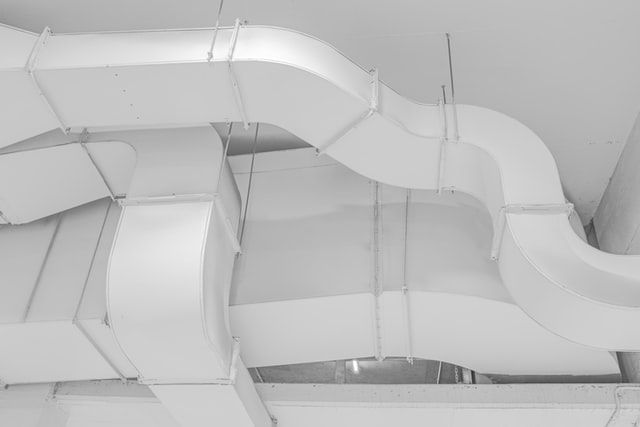
The CDC suggested that buildings “increase ventilation rates” and “increase the percentage of outdoor air” inside buildings to prevent the spread of COVID.
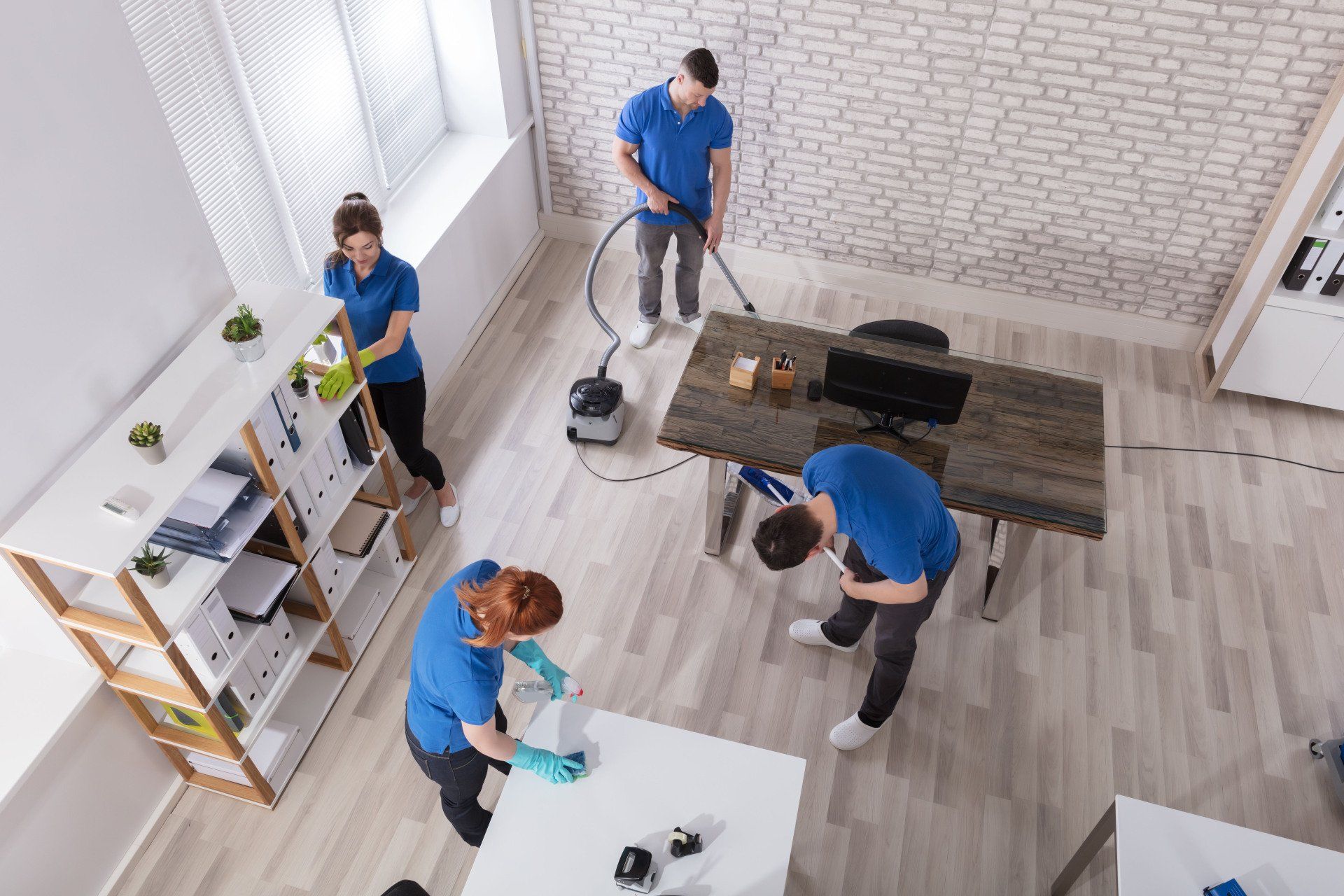
Building managers already know that the key ways to fight the spread of the coronavirus in their facilities are wearing masks, social distancing, encouraging frequent hand washing, and thorough cleaning—preferably done by cleaning contractors that have advanced infection control programs in place. However, there are two more strategies to consider, which have not been getting the attention they should. Those are increased ventilation and the use of advanced HVAC filtration systems.
One of the ways the virus spreads is when someone who is infected coughs or sneezes. When this happens, they can spread droplets of the disease. Studies indicate that many of these droplets fall to the floor within seconds. However, a great deal of them become airborne, be inhaled, and this can spread the disease.
Consider the following: In China earlier this year, several patrons contracted COVID-19 after eating in the same restaurant. Studies found different possible coronavirus contamination routes into the restaurant. However, the one that stood out was a wall-mounted air conditioner. The filters on the air conditioner were old and had not been changed for quite some time. Added to this, the system was set to recirculate the air in the restaurant. No fresh outdoor air was being brought in. While not conclusive, the researchers believed the air conditioner was recirculating COVID pathogens and was to blame for the patrons contracting the disease.
A Closer Look at Ventilation
As for ventilation, the CDC has suggested for months that buildings “increase ventilation rates” and to “increase the percentage of outdoor air” inside buildings. In other words, open some doors and windows. Writing in the New York Times, this is supported by Dr. Joseph Allen with the Healthy Buildings Program at Harvard University, who notes:
“Bringing in more outdoor air in buildings with heating and ventilation systems helps dilute airborne contaminants, making infection less likely. For years, we have been doing the opposite: sealing our windows shut and recirculating air.“
He then quoted a 2019 study that found “even minimal levels of [outdoor] air could reduce the transmission of the flu to the extent normally associated with a 50 to 60 percent vaccination rate.” Because the flu virus is in the same category as coronavirus, this means we could help prevent the spread of COVID until a vaccine is introduced.
A Closer Look at Filtration Systems
However, that may not be an option in Illinois and other states, where cold winters are right around the corner. What building managers and engineers must do in the winter months to protect indoor air quality and stop the coronavirus spread is to improve the efficiency of the filters installed in their HVAC systems.
Before the virus, this was not a significant concern. The same type of filters were installed year after year. However, with the presence of the virus and going forward, that is no longer an option.
Many buildings in Illinois have what are called MERV 6 and MERV 8 filters. MERV stands for Minimum Efficiency Reporting Value. The higher the number (rating), the better the filtration. Recommended now is the use of MERV 13 filters and higher. These can capture and trap particles of 0.3 to 1 micron in size, which is about the size of most virus particles.
However, installing these filters may be easier said than done. MERV 13 and higher filters typically need more powerful HVAC systems to push and pull air through the building’s vents. The only way to determine if your system will work with an advanced filtration system is to call in a qualified HVAC technician.
In the interim, the best option for building managers is to work with cleaning contractors armed with advanced infection control programs, as mentioned earlier.
These usually involve the use of electrostatic sprayers. While electrostatic sprayers do not help improve indoor air quality, they quickly and effectively deactivate pathogens on surfaces. Because touching contaminated surfaces is also one of the ways the virus is spread, at least these systems can help eliminate this contamination route.
We are infection control experts, here to help building managers keep their facilities cleaner, healthier, greener, and safer, in the most cost-effective ways possible. To learn more about Secure Clean, contact us at 888-609-1410.