Children are at risk of the virus for many of the same reasons seniors are
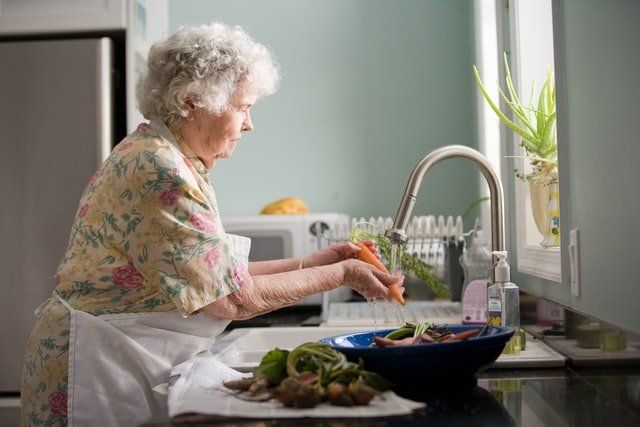
Seniors, especially those living in long-term care facilities, have been hard hit by the coronavirus. Before the virus even reached our shores, studies in China were already pointing out how much at-risk seniors are.
“The data coming out of China continues to say that the people who are at higher risk for severe disease and death are those who are older and with underlying health conditions,” Nancy Messonnier, M.D., director of the National Center for Immunization and Respiratory Diseases at the Centers for Disease Control and Prevention (CDC).”
She stated this at a briefing held in February 2020.
Since then, the Centers for Disease Control and Prevention (CDC) has reported that coronavirus hospitalizations rise with age. While the numbers vary, it appears that of those under 65 years of age,12 people per 100,000 who come down with coronavirus are hospitalized.
But those numbers jump to 17 per 100,000 for those older than 65 and jump again for those closer to 80 years old.
In fact, in the U.K., it is estimated that people age 80 and over are not only more likely to be hospitalized with the disease, but are twenty times more likely to die of coronavirus compared to any other age group.
The reasons are clear. Our immune systems weaken as we age. Many people over 65 develop health complications that can further reduce their immunities.
Further, elders often live together in senior and long-term care facilities. In such environments, infections, especially viruses like coronavirus, can spread from one person to another very quickly.
But children are also at risk and, as we shall see, for many of these same reasons.
For instance:
Immunities. While seniors have immune systems that slowly becoming impaired with age, children have immune systems that are just starting to develop. This leads them vulnerable to the virus and other types of infections. At birth, babies have no immune system. It starts to develop within the first 24 months of life. By ten years old, children’s immune systems are considered fully developed and capable of fighting off a wide range of pathogens. However, COVID-19 is not necessarily one of them.
Health Issues. Whereas seniors often develop some health complications with age, children have their own “special healthcare needs,” according to the Centers for Disease Control and Prevention. About one in five U.S. kids have diabetes, asthma, a blood disorder, or developmental disabilities. These can make them more susceptible to the virus.
Proximity. Schools are in a real dilemma as they try to re-open. Just as seniors socialize together, so do kids. In fact, socializing is one of the most important learning experiences children can have in school. But, as with seniors, it also opens them up to infections, many of which can be severe.
But here is where kids and seniors differ:
•Kids touch things, much more than seniors. Children can easily pick up pathogens from surfaces they touch and then may become sick.
•Kids are on the floor. Because they are shorter, and frequently like to play on the floor, if the floors are contaminated, those pathogens can once again be transmitted to the children. We should note that the pathogens that cause the coronavirus have been found on floors.
•Children breathe in more air per pound than adults. If that air is contaminated with the virus, it can potentially cause a child to become sick or transmit the disease to adults.
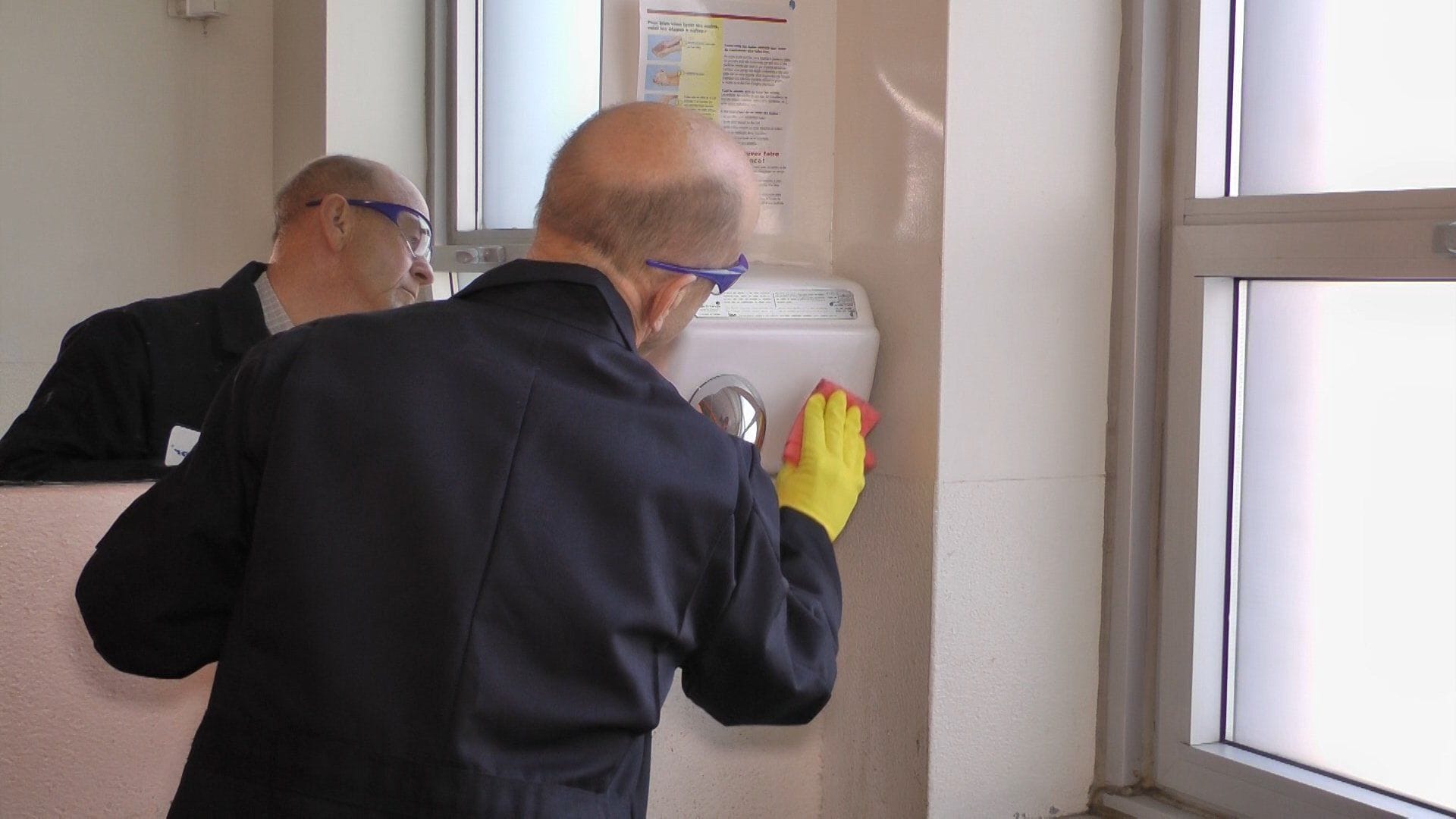
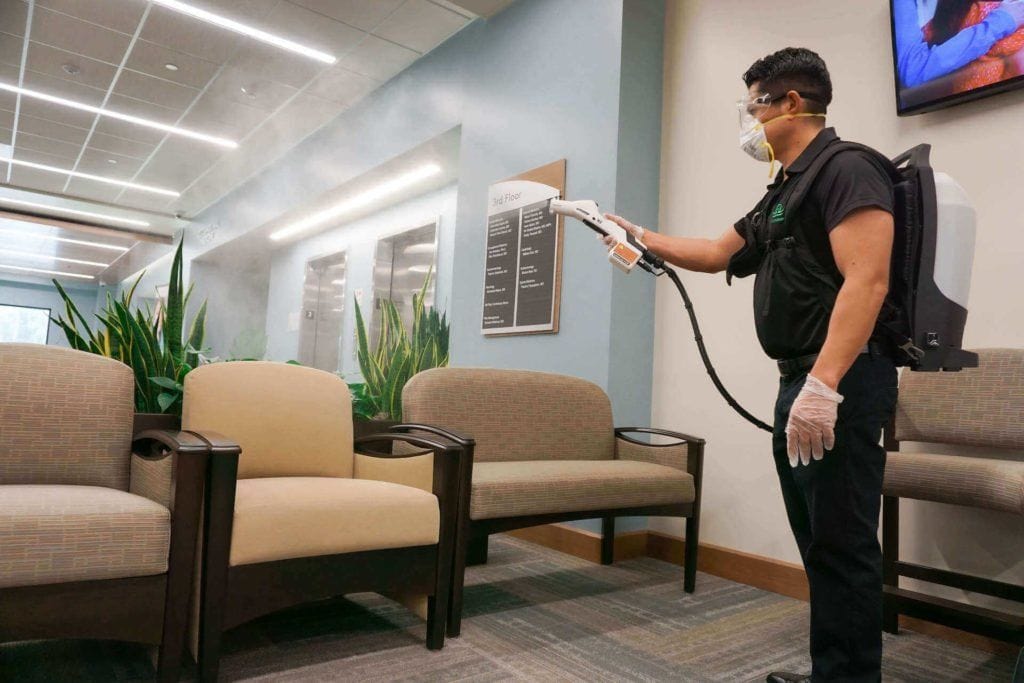
All of these issues are being addressed in a variety of different ways to help stop the spread of the disease, yet one that is needed in all types of facilities—senior centers as well as schools—is effective cleaning using the right tools, disinfectants, products, and methods.
We have said before: never has cleaning been so important to public health. When we look back on this pandemic, what we are likely to see is that it was effective cleaning that helped get us out of it.
We are here to help building managers keep their facilities cleaner, healthier, greener, and safer, in the most cost-effective ways possible. To learn more about Secure Clean, contact us at 888-609-1410.