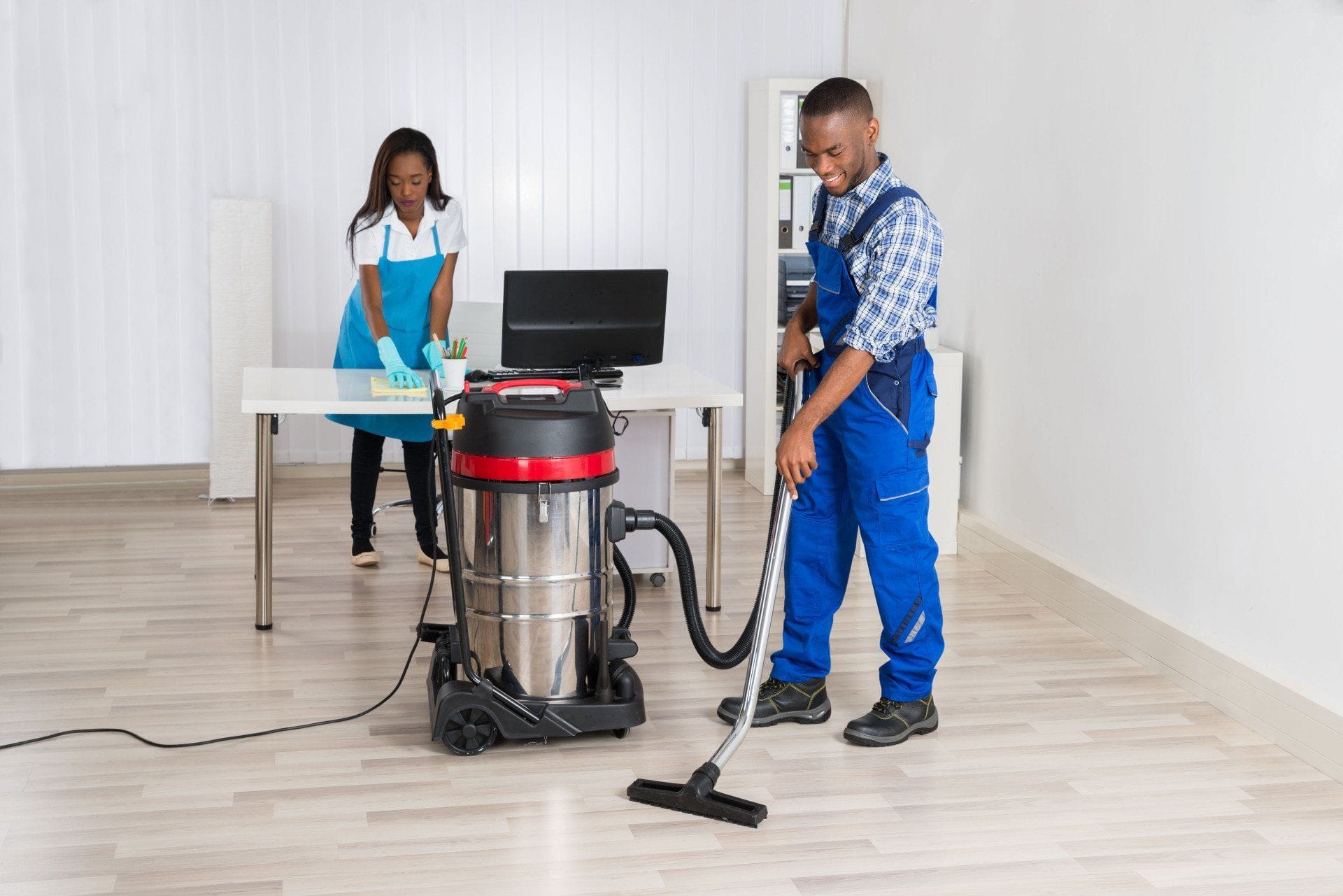
One question we often hear is if we can get the virus by touching carpet or upholstery.
Building owners and managers, and of course school administrators, are looking into just about every way the coronavirus can spread so they can take measures to prevent it One question we often hear from building owners/managers is if we can get the virus by touching carpet or upholstery.
As with just about everything coronavirus-related, the unfortunate answer is yes and no. It is true that the pathogens that cause the disease can collect on shoe bottoms. If those shoe bottoms are walked over floors and carpet, and we directly or indirectly encounter those surfaces, then yes, there is a chance we can come into contact with the pathogens that cause the disease.
In fact, according to Lisa Maragakis of Johns Hopkins Health System, “there is no evidence suggesting that it is harder to catch the virus from soft surfaces (such as carpet or a fabric) than it is from touching hard surfaces like elevator buttons or door handles.”
In other words, yes, if the soft surface is contaminated, it can become a transmission point for the disease. However, she and other health experts remind us that transmission by inhaling these pathogens is much more common. That is why we keep hearing about the need to wear masks and social distance.
However, this brings up a much bigger issue. If even carpet and other soft surfaces can house the germs that cause coronavirus, how long do they live on these and other surfaces?
According to the Centers for Disease Control and Prevention, this is what we know so far:
•Metal surfaces, including metal doorknobs and handles, five days
•Glass, including windows, glass doors, and mirrors, up to five days
•Paper, such as newspaper, magazines, and books, up to five days
•Wood, such as furniture, four days or less
•Plastics, such as elevator buttons, two to three days
•Stainless steel, as is used in kitchen appliances, two to three days
•Hard surface floors, up to three days
•Carpet, clothing, and other soft surfaces, one to three days
•Cardboard, such as shipping boxes, one day
•Aluminum and copper, four to eight hours
•Food and water, negligible if at all.
We should add that the lifespans of coronavirus pathogens can vary in different ways. For instance, if the pathogens are on clothing, they may only survive a day or two on the fabric, but they could live up to five days on metal surfaces such as zippers.
Further, if a metal doorknob is touched repeatedly throughout the day, all kinds of pathogens, including those that can cause coronavirus, potentially can collect and survive on that surface until it is eventually cleaned and disinfected.
This is why when it comes to maintaining a client’s facilities, we believe deep cleaning, disinfecting, and what we call infection control is so important.
“At Secure Clean Building Services, when we talk about infection control, we are referring to the EvaClean Protexus system,” says Rick Vanderkoy, CEO, and founder of the company. “We use this system in health care facilities, schools, food service locations, gyms and other buildings. It helps us ensure an environment in which pathogens are maintained at the lowest possible level by means of regular disinfecting protocols for our clients, something we have always strived for, but which is more vital now than ever before.”
We are here to help building managers keep their facilities cleaner, healthier, greener, and safer, in the most cost-effective ways possible. To learn more about Secure Clean, contact us at 888-609-1410.