An emergency can be civil unrest, fires, break-ins, and extreme weather events.
There is a lot of turmoil going on in our country right now. This is not something building owners and managers can ignore. This is the reason we are recommending to our clients that they stay up to date with current events and take one more step: even if you are not expecting an emergency, plan for one.
This does not necessarily involve just civil unrest. It can apply to more traditional emergencies such as fires, break-ins, and extreme weather events.
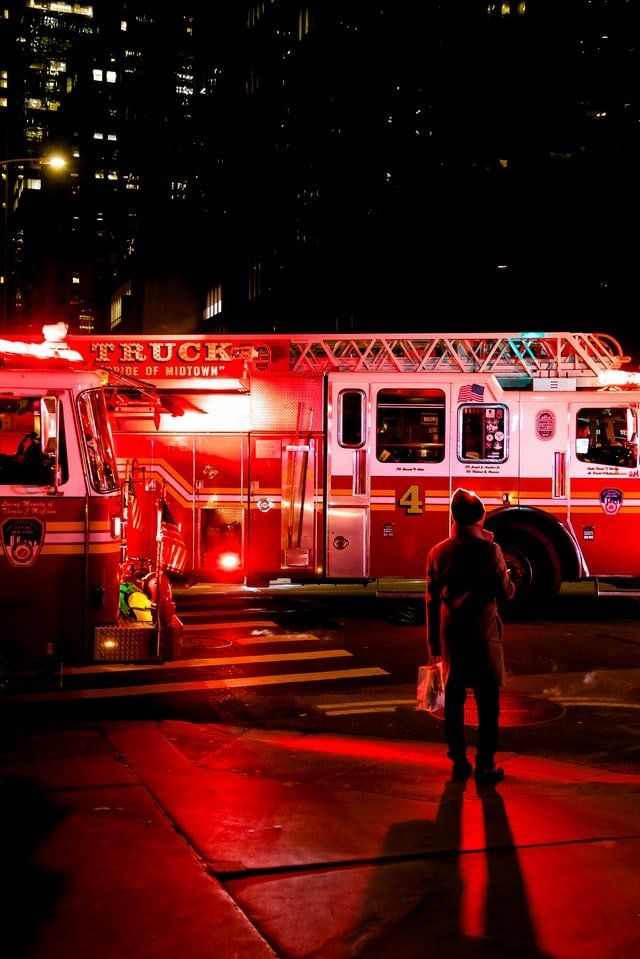
Fortunately, building owners and managers do not need to handle these issues alone. They can turn to others that are already in the business of protecting people and property. One resource we have found that can prove invaluable is the local fire department.
Fire departments were initially created to be reactive and respond to fires. But today their focus is proactive, they are in the business of preventing fires and other emergencies.
“Most fire departments are pleased to help local businesses with their emergency plans,” says Mike Cyphers with the Henderson, Nevada fire department. “The better prepared the public and local businesses are, the easier our job will be, should an emergency take place.”
To take advantage of this resource, building owners and managers should consider taking the following preventive steps:
Inspection.
Schedule an inspection of your facility by your local fire department. The inspectors will look for potential hazards that might cause a fire. This is referred to as “pre-incident planning” and often reveals issues you may not have been aware of before.
Schedule an inspection of your facility by your local fire department. The inspectors will look for potential hazards that might cause a fire. This is referred to as “pre-incident planning” and often reveals issues you may not have been aware of before.
“Emergency” accounting.
Fire officials often suggest that building owners/managers view facility hazards like an accountant views a financial statement. In other words, for every debit – in this case, a safety concern – there must be a credit. This means, for every hazard that can occur in your facility, you must have an operating procedure in place to address it.
Fire officials often suggest that building owners/managers view facility hazards like an accountant views a financial statement. In other words, for every debit – in this case, a safety concern – there must be a credit. This means, for every hazard that can occur in your facility, you must have an operating procedure in place to address it.
Escape.
In an emergency, building users may not know the fastest and safest escape routes. Fire department officials can help owners/managers develop an effective “egress plan,” suggesting ways to exit a facility quickly and safely.
In an emergency, building users may not know the fastest and safest escape routes. Fire department officials can help owners/managers develop an effective “egress plan,” suggesting ways to exit a facility quickly and safely.
Drills.
The fire alarm went off in a small Michigan Avenue office building. People were not exactly sure what it was, and when they realized it was the fire alarm, most did not know how to quickly exit the facility. Should we take the stairs? The Elevators?
The fire alarm went off in a small Michigan Avenue office building. People were not exactly sure what it was, and when they realized it was the fire alarm, most did not know how to quickly exit the facility. Should we take the stairs? The Elevators?
To help prevent this confusion and uncertainty, building owners/managers should conduct a fire or emergency drill. Have fire department experts on hand to help owners/managers with the planning of the drill and be on hand when it is conducted.
“Adults learn by doing,” says Don Schmidt, a risk consultant. “The more actual practice people have [on dealing with an emergency], the better prepared they will be.”
Warning Systems.
Most building users do not know where building warning systems are located within a facility. While there may be local regulations regarding where these devices can or must be installed, it is essential that building users know where they are and what type of warning they indicate.
Most building users do not know where building warning systems are located within a facility. While there may be local regulations regarding where these devices can or must be installed, it is essential that building users know where they are and what type of warning they indicate.
Some may be for a fire, others a building break-in, etc. Fire officials will likely encourage building owners and managers to instruct tenants where they are in the facility and what type of emergency they indicate.
Coordination.
Should an emergency occur, the fire department will suggest that someone oversee handling the emergency, instructing building users what to do. If you do not coordinate in advance, there may be confusion and delays. This may be a few seconds or a few minutes. But remember, in an emergency, time is of the essence. You must make the right decisions and act quickly.
Should an emergency occur, the fire department will suggest that someone oversee handling the emergency, instructing building users what to do. If you do not coordinate in advance, there may be confusion and delays. This may be a few seconds or a few minutes. But remember, in an emergency, time is of the essence. You must make the right decisions and act quickly.
Finally, fire officials will likely suggest that a preparedness plan be put in writing and shared with everyone in the building. Now you have a written plan, which can ensure safety and even save lives.
We are infection control experts, here to help building managers keep their facilities cleaner, healthier, greener, and safer, in the most cost-effective ways possible. To learn more about Secure Clean, contact us at 888-609-1410.