“Emergency medical technicians” or “EMTs,” must assume everyone they rush to the hospital either currently has COVID or is a carrier.
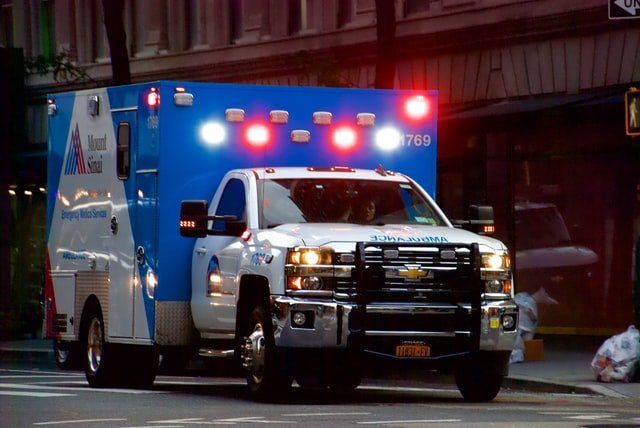
Without question, EMTs are some of the most important “essential workers” we have right now. These folks put their health on the line just about every time they take a call. It does not matter if the call is to pick up someone that has broken a limb, had an allergic reaction, or been injured in an auto accident.
“Emergency medical technicians” or “EMTs,” as they are most often called, must assume everyone they pick up to rush to the hospital either currently has COVID or is a carrier.
The reason they believe this. It’s already happened repeatedly.
For instance, a grade-schooler was struck by a car. While it was fortunate her injuries were minor, she still had to be taken to the hospital. Tests later revealed she was COVID-positive.
Beyond the basic risk of exposure when transporting a patient with COVID, here is what makes it even harder for EMTs. Invariably, teams enter the homes of the patients they have been called to pick up. The ambulance call center may have already been told this person has COVID or, as soon as the drivers get to the house, they can tell by the symptoms that the person has the disease.
Now they are in the home of the stricken patient, who has likely touched multiple surfaces that may be contaminated. The pathogens that cause the disease may be airborne and, what is also quite common, other people in the home may already have or later find out they have COVID.
“Unlike doctors and nurses, EMTs must go inside homes,” reports one driver. “We call these ‘hot zones’ where everyone in a household is sick, where the virus is in the air. We lift immobile patients onto gurneys, their masked faces just inches apart.”
As risky as this all sounds, there is more.
Hospitals cannot always admit every patient driven to their emergency room. In Southern California, for instance, drivers may need to travel from hospital to hospital looking for one that will accept a new COVID patient. In other situations, they are asked to wait. Divers report having to wait as long as 12 hours before they can bring a COVID patient into the emergency room. During that time, hospital personnel may begin treating the patient, so the ambulance essentially is converted into a hospital room.
“Once the patient is finally in the hospital, our job is done,” adds the ambulance driver. “What happens to that patient later, we don’t know. We don’t know the end; we just know the beginning.”
With a safe transport now completed, attention next turns to protecting the health of the ambulance team and that of the next patient to ride in the vehicle. The ambulance must be thoroughly cleaned and disinfected. What many ambulance companies, both private and public, are doing first is to clean all interior surfaces with a cleaning solution and then disinfect the inside of the ambulance using an electrostatic sprayer made by EvaClean, the ones Secure Clean now uses to ensure the facilities they clean and maintain stay healthy.
As we have discussed in previous posts, electrostatic sprayers mist surfaces in a facility as well as ambulances and other vehicles, with a disinfectant approved to eliminate the coronavirus. An electrical charge is applied to the mist as it is released from the sprayer, which ensures the mist adheres to surfaces. This allows the disinfectant to start eliminating pathogens upon contact.
For instance, Brewster Ambulances, a private ambulance company in the Boston area, uses the EvaClean system to disinfect their ambulances and ensure their patients’ health and safety. Drivers report it is an indispensable tool for them. It allows them to take a proactive approach to cleaning and disinfecting. With EvaClean, they know their ambulances are safe for emergency workers and their patients.
The Secure Clean blog is designed to help building managers address the COVID-19 pandemic and keep their facilities cleaner, healthier, and safer, in the most cost-effective way possible. To contact call 888-609-1410.