Here are some steps we can take right now to keep our facilities healthier.
Building owners and managers throughout Illinois are genuinely concerned about protecting the health of building users during the COVID-19 pandemic. For many, the coronavirus and how it spreads in homes, schools, and offices is still a mystery.
Although it can be confusing, and we continue to learn more about this virus and how it is spread, there are some steps we can take right now to keep our facilities healthier.
Here are 11 quick and relatively easy steps building owners and managers, as well as business owners, can take to minimize the spread of coronavirus:
1.In previous blog posts, we mentioned the importance of ensuring that the disinfectants used in your facility are proven to kill SARS-CoV-2, the virus that causes COVID-19. Now we want to tell you how to do it. First, locate the EPA Registration Number on the disinfectant’s label. This will be two sets of numbers on the product label. Enter these using the tool on the EPA website to discover if they are listed.
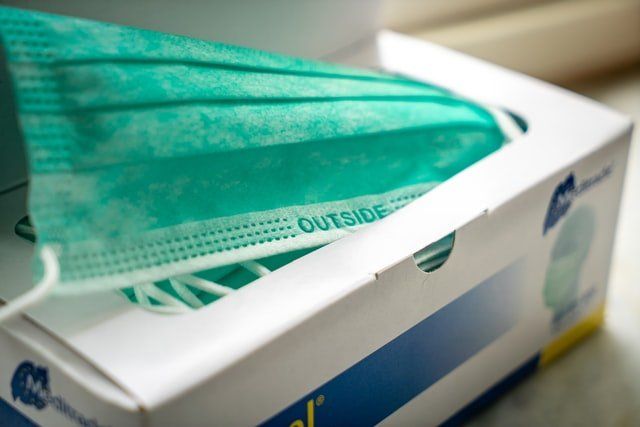
2.Make disposable gloves, masks, as well as hand sanitizer available to anyone working or visiting the facility. Currently, these are in ample supply.
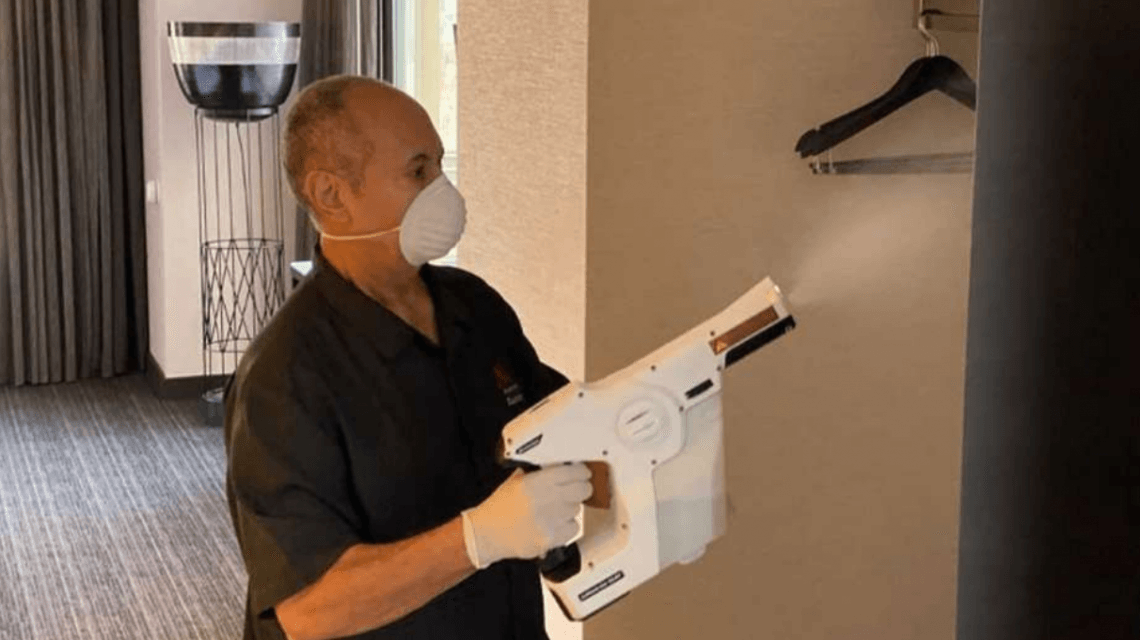
3.When evaluating cleaning performance in your facility, place greater focus on commonly touched surfaces such as hard-backed chairs, doorknobs, light switches, counters, tabletops, desktops, railings, and elevator buttons. These are surfaces where COVID pathogens can collect, making them the most important areas in a facility to keep clean and disinfected.
4.Signage and messaging reminding staffers to always wash their hands and wear masks can be immensely powerful. A study by Bradley Corporation, manufacturers of restroom fixtures and supplies, found that when “a written reminder [is] posted in a restroom it can influence behavior. Almost 40 percent of Americans say they’re more likely to wash their hands after seeing a sign that requires employees to wash before returning to work.”
5.Fresh air makes infection by the coronavirus much less likely. HVAC systems should be adjusted so that more fresh air is mixed in with recycled air. If this is not possible, weather permitting and when and where possible, open more doors and windows to allow fresh air to circulate in the facility.
6.Change HVAC filters. These are typically changed once or twice per year, but with COVID, they should be changed more frequently. Also, most building air filters are MERV 8. The MERV rating measure the effectiveness of the filter at trapping dust and particulates. If possible, upgrade to MERV 10 or higher.
7.If you are a business owner, look for ways to limit the number of people using the facility at one time. Consider introducing flexible hours and staggered work shifts.
8.Install plastic or glass see-through partitions around desks and especially around customer call areas.
9.“Open office” design may be outdated, thanks to COVID. To convert these spaces, use plastic or glass partitions along with more traditional wall partitions to help enclose and isolate areas. This can help prevent coronavirus airborne particulates from spreading from one area to another.
10. Meet with your cleaning contractor regularly to review their cleaning programs and strategies. Ensure that they have an advanced and proven infection control program in place.
11.If hiring a new cleaning contractor, now is not the time to hire a low bidder. Low bidders invariably are outsourcing their work to independent contractors. While working with independent contractors may allow them to charge less for cleaning, it also eliminates their control and supervision of the cleaning workers. This means you may not really know how your facility is being cleaned, which can put you and your building users at risk.
The Secure Clean blog is designed to help building managers address the COVID-19 pandemic and keep their facilities cleaner, healthier, and safer, in the most cost-effective way possible. To contact call 888-609-1410.