We suggest when taking bids for cleaning services, building owners and managers stipulate that all vacuum cleaners with HEPA filters be used.
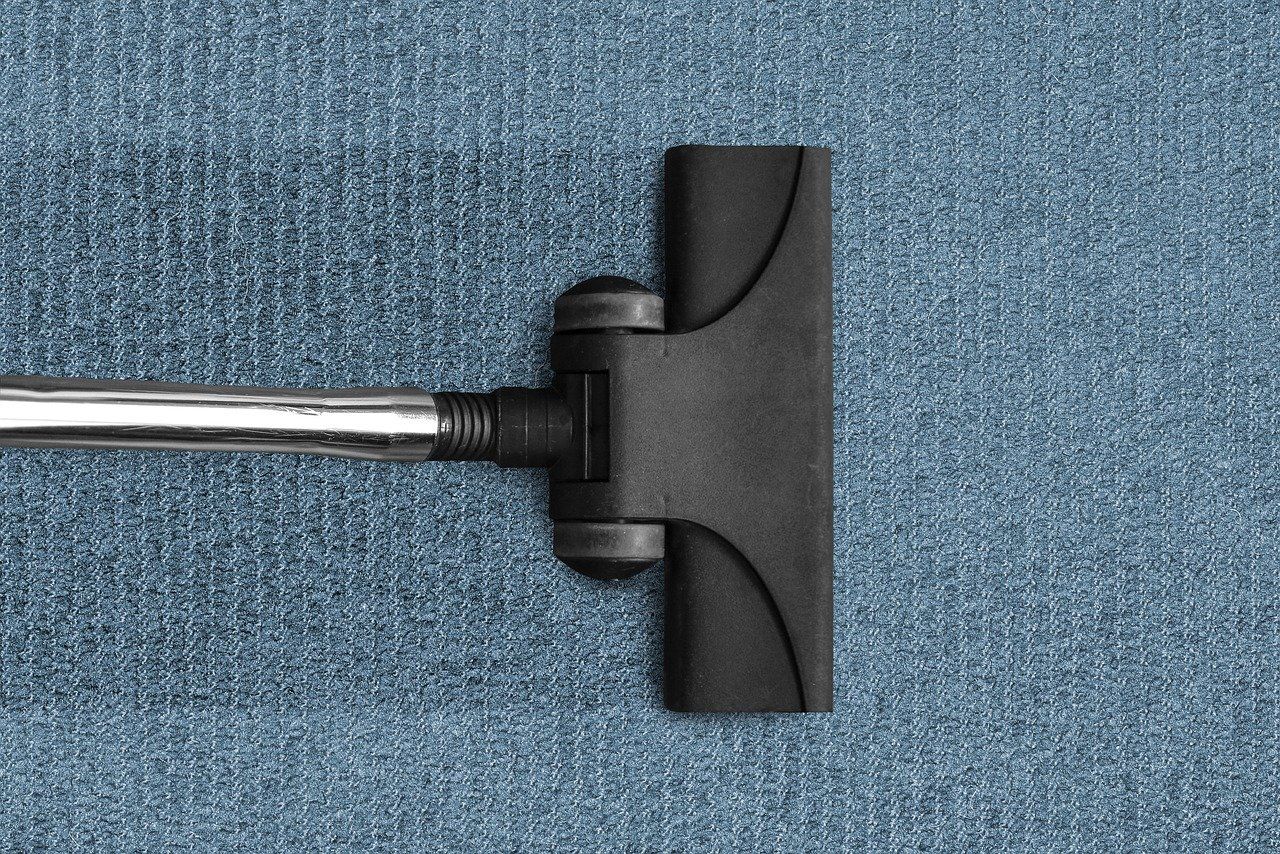
With COVID-19, it is important that the cleaning contractors hired to clean your facility use HEPA filtered vacuum cleaners. However, many building managers are not quite sure what a HEPA filtered vacuum cleaner is.
Before we explain what it is and a bit about its history, there’s some good news. If your cleaning contractor is using HEPA filtered vacuum cleaners in your facility, that means they are taking extra steps to protect the health of building users. Something that must be done now due to COVID. These filters can help capture and trap particulates that can spread the infection.
Because of this, we suggest when taking bids for cleaning services, building owners and managers remember to stipulate that all vacuum cleaners used in your facility be HEPA filtered.
With that clarified, what are HEPA filters, and why were they developed?
These filters are one of the many technologies that were developed during World War II that later found commercial and consumer use. The military needed to develop an advanced filtering system for removing radioactive materials from the air. These radioactive materials were released into the air when manufacturing atomic bombs, and as you can imagine, could have serious health implications if inhaled.
The HEPA filters were proved very useful. They were later used in gas masks and found many other uses during the war effort. They first entered the professional cleaning industry in the 1950s. HEPA filters helped protect cleaning professionals from inhaling harmful particulates when removing mold or mildew. They were also worn for asbestos cleanup, lead removal from surfaces, and when cleaning up after fires and floods.
However, their big entry into the professional cleaning industry occurred in the late 1990s. That was about when green cleaning and the need to protect indoor air quality became a central concern of not only building owners and managers, but the professional cleaning industry.
This is because, when a HEPA filter is placed on the exhaust of a vacuum cleaner, it can remove (trap and capture) 99.97 percent of all particulates as small as 0.3 microns. To get an idea of how impressive this is, the period at the end of this sentence is about 500 microns. Airborne dust, which you might be able to see if sunlight is passing through a room, is about 20 to 30 microns in size—the smallest the human eye can decipher.
Another impetus for the use of HEPA filtered vacuum cleaners was in the early 2000s, with the increase in asthma and other respiratory issues among children in school. With HEPA filters, many of the known asthma triggers from pollen grains to dust mite fecal pellets are trapped and prevented from becoming airborne.
This, along with other green cleaning measures, has helped reduce asthma and other respiratory problems among school children dramatically since then. We believe they will help us once again, as we address the many challenges of this pandemic.
We are infection control experts, here to help building managers keep their facilities cleaner, healthier, greener, and safer, in the most cost-effective ways possible. To learn more about Secure Clean, contact us at 888-609-1410.