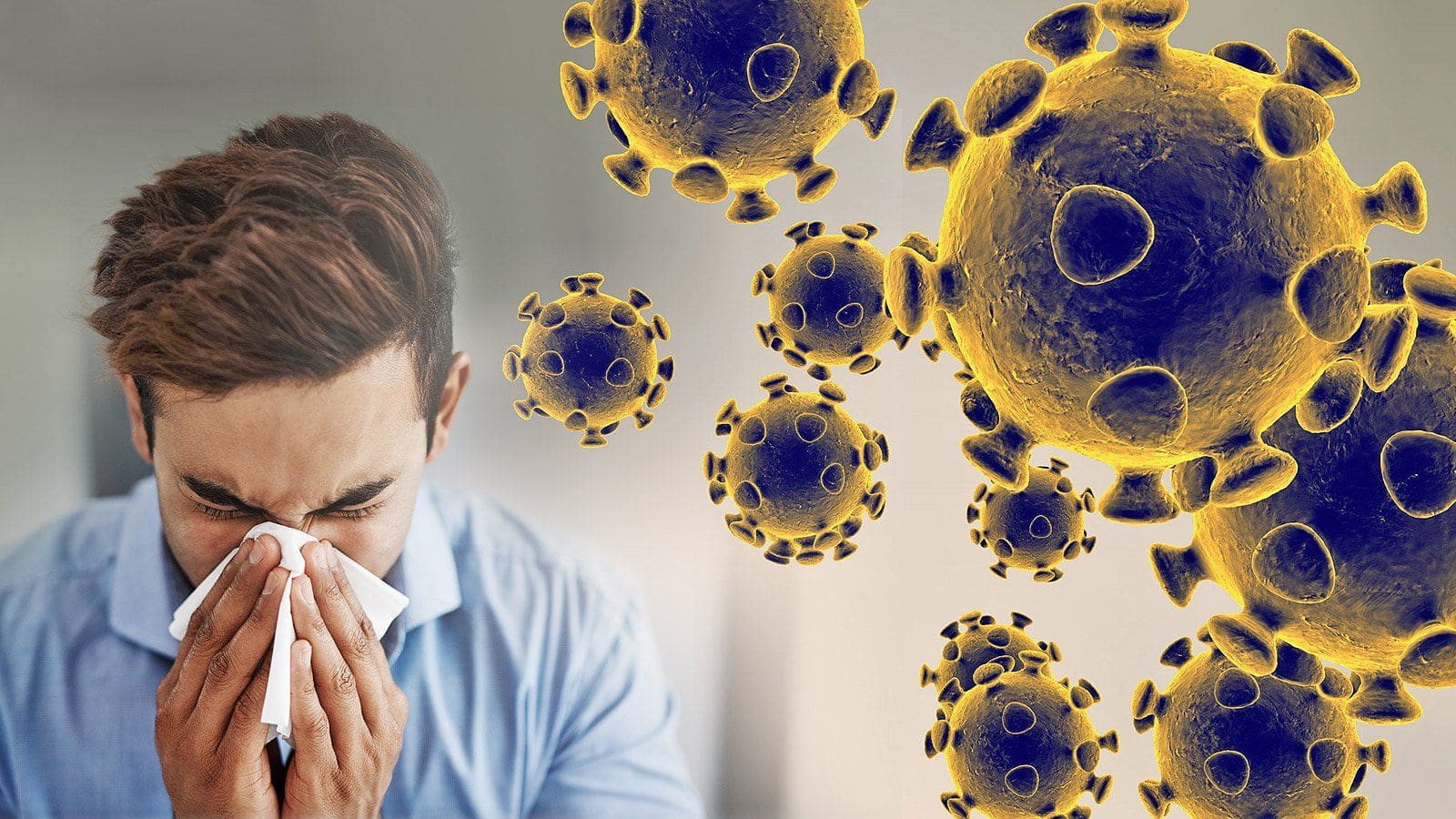
Biofilms are a collection of millions of bacteria growing together under a small film-like substance.
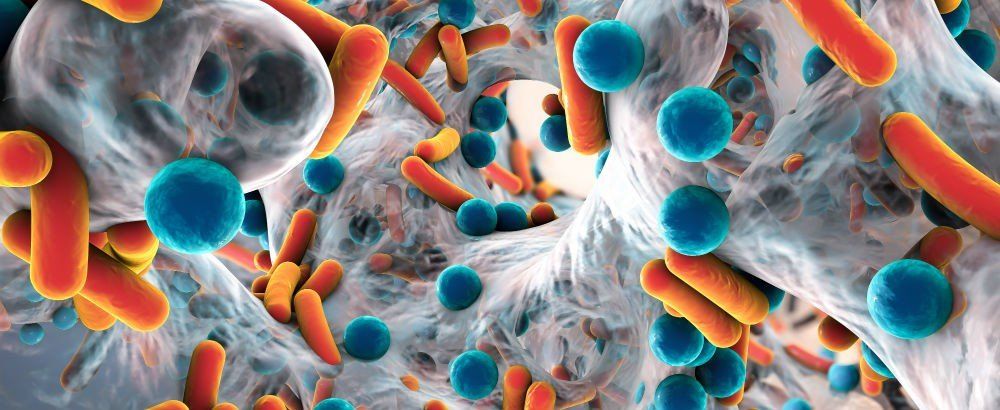
A term building managers need to become familiar with is biofilm.
Biofilms are a collection of thousands, even millions of bacteria growing together under a small film-like substance. The film surrounding them is made from secretions from the bacteria. It protects them, providing a shielding effect.
This shielding effect is pretty powerful, and this is something building managers should be concerned about. Scientists believe it can be as much as 1,000 times harder to eliminate bacteria if it is living in biofilm. Further, these secretions create a powerful adhesive, making biofilm very hard to remove from most surfaces using traditional cleaning methods.
But that’s not all. Here are some more things we need to know about biofilm:
· At the top of the list is they can spread disease; this can be very serious, especially if they are found growing on touchable surfaces in medical facilities, schools, or food service locations
· As the biofilm colony grows and matures, it develops defenses against traditional sanitizers and disinfectants; this makes it still harder and harder to eliminate biofilms.
· Biofilm is very hard to detect. The yellow tarter on our teeth is a form of biofilm. Fortunately, we can see that, and it can be removed. But on a working countertop, on walls and floors in locker rooms and showers in schools, even in HVAC systems, it can be tough to detect.
· It often develops in areas that remain moist a great deal of the time including leaking faucets, damp areas near and around windows, ice machines, sinks, floor drains, janitorial closets – especially mop sinks – and around toilets and urinals.
As to locating biofilms, there are technologies available that can take “pictures” of surfaces that cannot be seen by the human eye. They often can detect biofilm, however, most of these technologies are still under development and are not widely used.
So, if we cannot see them but are concerned about biofilm in a facility, the most effective step to prevent the growth of biofilm is prevention. Building managers are urged to do the following:
Conduct a walk-through of their facilities with their cleaning contractor
Look for areas that tend to stay damp and find ways to keep these areas dry. This could include basement areas, areas around building mechanicals and especially around heating and air conditioning systems.
Make sure your cleaning workers keep janitorial closets both clean and dry.
Mop sinks should be rinsed and cleaned after each use as should mop buckets.
Cleaning workers should also store as many items as possible off the floor. This improves ventilation and helps keep floor areas clean and dry.
Make sure mops are laundered and changed frequently.
But Secure Cleaning is taking even more steps to protect our customer’s buildings. We are one of the few contract cleaning companies in the area that use the EvaClean Protexus system. This new technology keeps all types of facilities essentially germfree. Further, independent tests indicate it can be very effective at eradicating biofilm.
This can be a significant relief for building managers. We know biofilm can spread disease. With Secure Clean and the EvaClean system, we can eliminate it and keep your building users healthy.
We are infection control experts, here to help building managers keep their facilities cleaner, healthier, greener, and safer, in the most cost-effective ways possible. To learn more about Secure Clean, contact us at 888-609-1410.